
Sustainable tourism is no longer a trend — it is the new standard of global tourism in 2026. In Vietnam, especially in Halong and Lan Ha Bays, tourism operators are shifting toward environmental and community responsibility. This article analyzes sustainable tourism in Vietnam and how you can become a responsible traveler.
1. What Is Sustainable Tourism?
According to UNWTO, sustainable tourism meets current visitor and industry needs while protecting and enhancing future opportunities. Three core pillars:
- Environmental: Conserve natural resources, minimize pollution, protect biodiversity
- Socio-cultural: Respect local culture, contribute positively to communities
- Economic: Create sustainable economic benefits for locals
2. Why Is Sustainable Tourism Important for Halong?
Halong Bay faces many challenges:
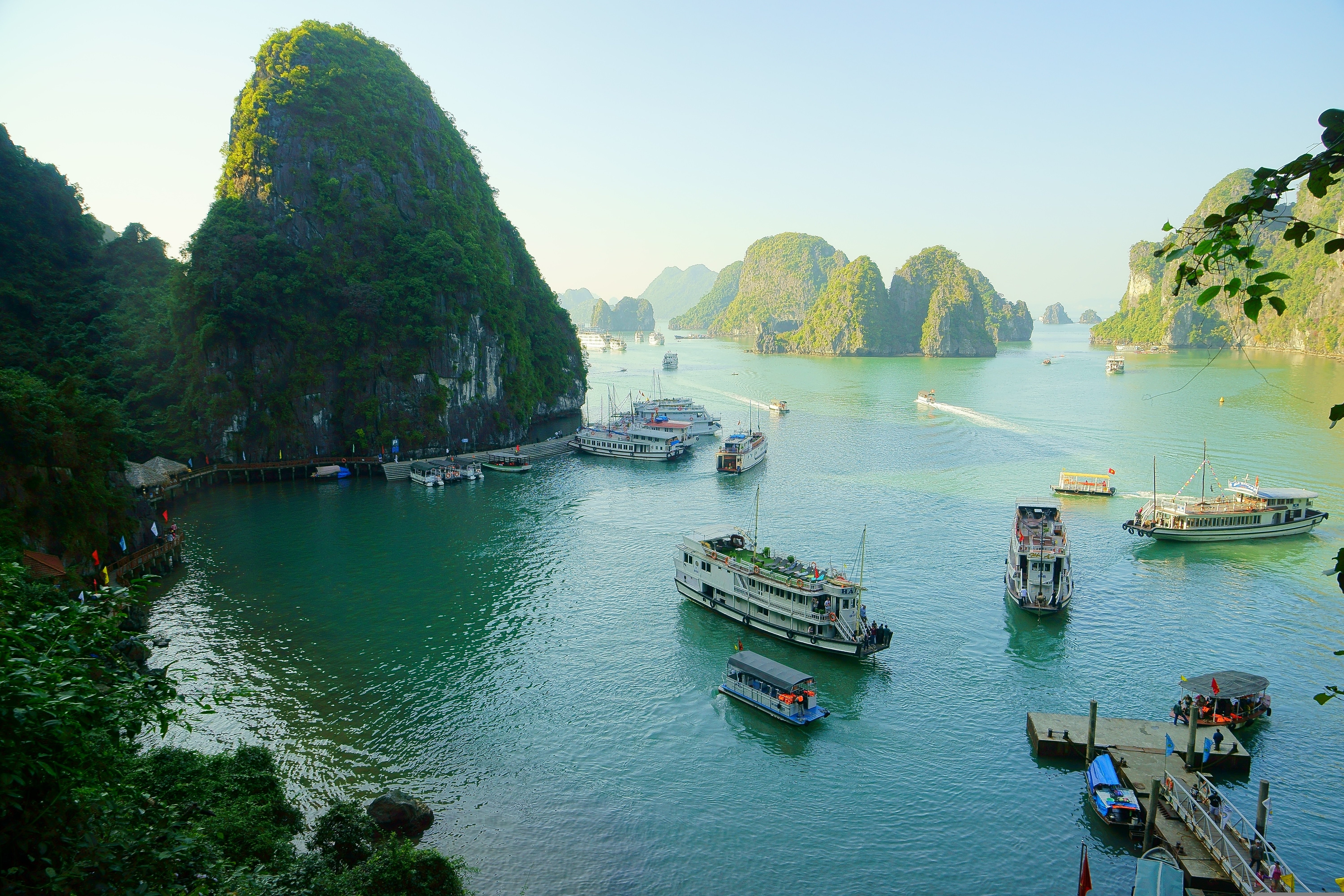
- Visitor pressure: 14 million visitors yearly strain the ecosystem
- Plastic pollution: Plastic waste from boats and guests
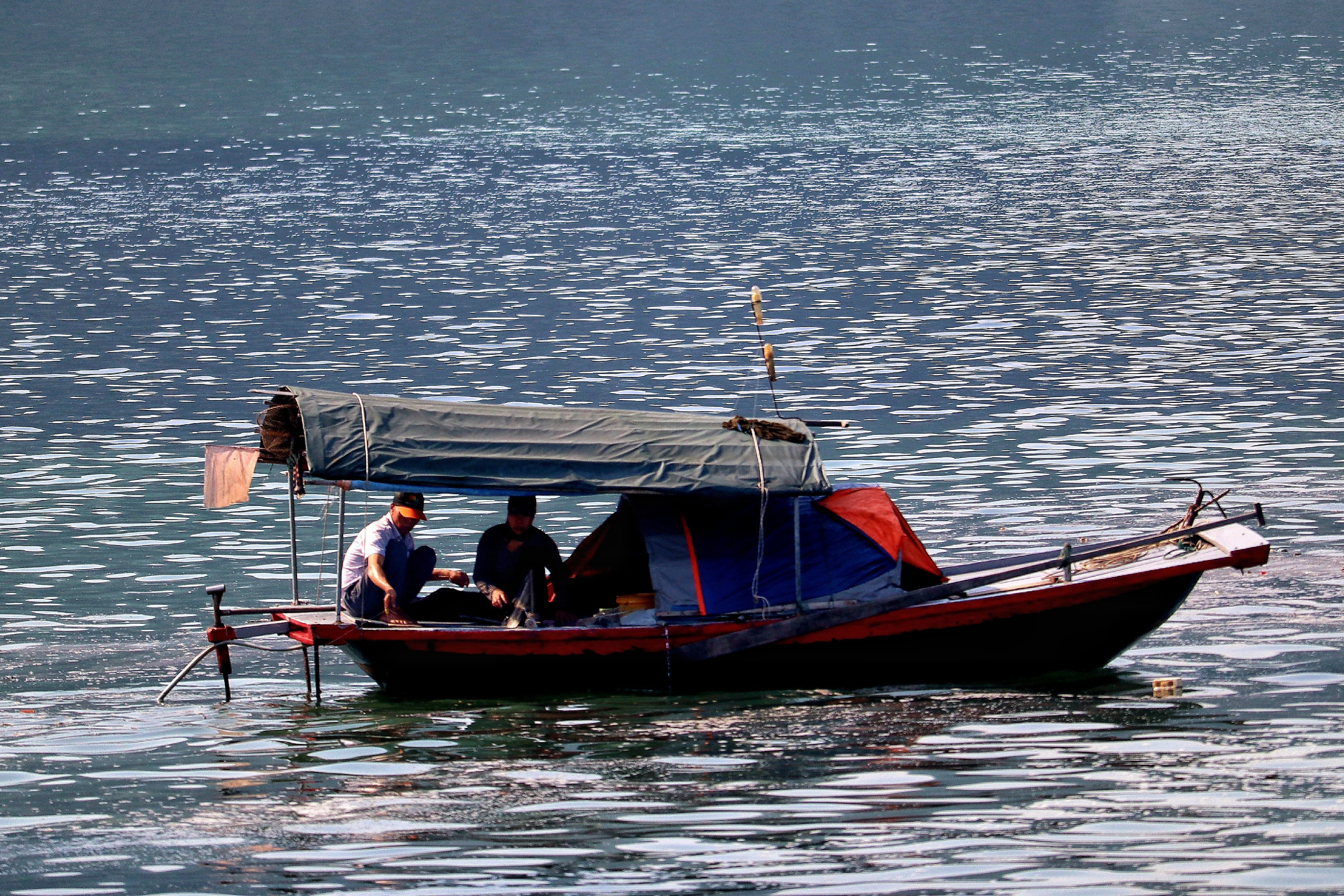
- Fishing village cultural shifts: Tourism threatens traditional lifestyles
- Climate change: Sea level rise threatens the bay landscape
3. Criteria for Sustainable Cruises
3.1. Energy Management
Sustainable cruises use clean fuel (EURO V+), solar panels for nighttime electricity, LED lights, inverter air conditioning.
3.2. Wastewater and Waste Treatment
Closed-loop wastewater systems, no sea discharge. All waste sorted and brought to shore for proper disposal.
3.3. Single-Use Plastic Restrictions
Sustainable cruises eliminate plastic bottles, straws, bags. Replaced with glass bottles, bamboo/steel straws, fabric bags.
3.4. Sustainable Food Sourcing
Seafood from local fishermen using sustainable methods. Organic vegetables from local gardens. Limited long-distance imports.
3.5. Community Contribution
Profit portions go to fishing village children's education funds, wildlife conservation, local environmental projects.
4. 10 Ways to Be a Responsible Traveler
4.1. Choose Environmentally Certified Cruises
Look for certifications like Green Tourism Vietnam, Travelife, EarthCheck. Certified cruises have been audited for environmental standards.
4.2. Bring Your Own Items
Personal water bottle, metal straws, fabric bags. Say "no" to single-use plastics.
4.3. Respect Fishing Village Culture
Ask permission before photographing locals. Dress modestly when visiting. Don't give money to children directly.
4.4. Protect Coral and Marine Life
Don't touch coral when diving. Use reef-safe sunscreen (no oxybenzone, octinoxate). Don't buy items made from shells or coral.
4.5. Buy Local
Seafood from fishing villages, pearls from local farms, crafts from artisans. Your money directly helps the community.
4.6. Travel Slow and Stay Longer
3D2N tour instead of 1-day. Reduces carbon footprint and creates deeper experience.
4.7. Conserve Water and Electricity
Same on the boat: turn off lights when leaving, reuse towels, don't waste water.
4.8. Contribute to Conservation
Research Halong conservation organizations and donate. Some tours include this contribution.
4.9. Learn About Culture Before Going
Understanding Vietnamese culture, especially maritime culture, helps you interact more respectfully.
4.10. Share Experiences Responsibly
On social media, don't "spam" sensitive destinations. Encourage others to travel responsibly.
5. Sustainable Initiatives at Amour Cruises
Amour Cruises actively applies sustainable standards:
- Zero plastic policy: Eliminate single-use plastic. Guests receive personal glass water bottles.
- Local sourcing: 90% seafood from Cat Ba fishermen, vegetables from Viet Hai organic gardens
- Carbon offset: 1% revenue contributed to Quang Ninh reforestation projects
- Education support: Scholarship fund for Cai Beo fishing village children
- Crew training: All staff trained in sustainable practices
6. The Future of Sustainable Tourism in Vietnam
Vietnam aims to become Asia's leading sustainable tourism destination by 2030. Key initiatives:
- Increased quotas for environmentally certified cruises
- Plastic use restrictions at heritage sites
- Expanded wildlife conservation funds
- Community training in sustainable tourism
7. Final Advice
Sustainable tourism does not mean giving up luxury — it means smarter enjoyment. When you choose Amour Cruises or similarly committed operators, you still get peak boutique experiences, but with the peace of mind that your vacation leaves positive impact, not destruction. That is the way of 2026 travel.
Book Your Journey with Amour Cruises
Let Amour Cruises craft unforgettable memories in poetic Lan Ha Bay. Contact us for personalized itinerary and early-booking offers.
Related Articles
Frequently Asked Questions
What is sustainable tourism?
Tourism meeting current needs while protecting the future. 3 pillars: environmental, socio-cultural, sustainable economic.
How to evaluate if a cruise is sustainable?
Check: energy management, closed-loop wastewater treatment, no single-use plastic, local food sourcing, community contribution.
What can I do personally?
Bring personal water bottle, use reef-safe sunscreen, buy seafood from fishing villages, take longer tours, respect local culture.
Does Amour Cruises have sustainable policies?
Yes: zero plastic policy, 90% local sourcing, 1% revenue for reforestation projects, scholarship fund for Cai Beo fishing village children.
Is sustainable tourism more expensive?
Sometimes 5-15% more due to waste treatment and clean sourcing costs. But the value (environment, community) is priceless.
Comments (0)
Be the first to comment.